Almost everything that comes out of a house, a job site, or a storm-damaged yard in Kingsport can legally go into a roll-off dumpster. The short list of things that cannot is what causes the trouble: one propane cylinder or a stack of whole tires can turn a routine haul into a rejected load, a return trip, and a surcharge you did not budget for.
This guide separates the rules that apply everywhere from the ones specific to Tennessee, because they are not the same thing. Tennessee is genuinely less restrictive than several northern and New England states, and much of the advice online was written for those states. What follows is grounded in Tennessee law and Tennessee Department of Environment and Conservation guidance, with an honest note wherever the answer depends on your county.
The universal no-list: items no roll-off will take
These come from federal rules and from the operating permits every disposal facility works under. No hauler in Sullivan or Hawkins County can make an exception.
Liquids, fuels, paint, and solvents
Free liquids of any kind are out. Landfills are permitted for solid waste, and liquids create leachate problems facilities must control. That covers gasoline, diesel, kerosene, motor oil, antifreeze, brake fluid, paint thinner, adhesives, pool chemicals, pesticides, and cleaning chemicals.
Paint is the one people argue about. TDEC's guidance for households is to use latex paint up, give it away, or dry it out completely and put the hardened residue in regular garbage. A dried-out can with the lid off is fine in a dumpster; a half-full liquid can is not. Oil-based paint and varnish need a household hazardous waste route.
Batteries, propane, and anything pressurized
Lead-acid batteries have their own Tennessee statute, covered below. Lithium-ion batteries are a fast-growing cause of fires in collection trucks and transfer stations; tool packs, laptop and e-bike batteries need a recycling drop-off. Alkaline batteries are the exception: Tennessee's HHW program states plainly they are safe in regular trash.
Propane tanks, camping canisters, oxygen and acetylene cylinders, fire extinguishers, and pressurized aerosol cans are all out. A cylinder crushed in a compactor is a serious hazard, and this is one of the most common reasons a load gets flagged on arrival.
Appliances containing refrigerant
Refrigerators, freezers, window air conditioners, dehumidifiers, and heat pumps contain refrigerant that federal law requires a certified technician to recover before the unit is scrapped. A professionally evacuated and tagged unit is usually acceptable; an untagged one is not. Appliances without refrigerant, such as washers, dryers, stoves, and water heaters, are fine but heavy enough to be worth mentioning.
Asbestos, medical waste, and ammunition
Asbestos is the highest-stakes item here, and it matters more in Kingsport than in a newer market. Buildings put up before about 1980 can contain asbestos in floor tile and its mastic, pipe and duct wrap, popcorn ceilings, siding shingles, and joint compound. It cannot go in a dumpster, and demolition or renovation that disturbs regulated asbestos-containing material triggers federal NESHAP requirements including advance written notification to TDEC's air pollution program — a notification that can apply even where no asbestos is present. Get a survey first; the EPA's asbestos pages explain where it hides.
Lead paint is the companion problem: assume any Kingsport home built before 1978 has it under later coats. Intact painted trim and doors are normally fine in a dumpster; the concern is dust, chips, and sanding residue, and contractors must follow EPA's lead-safe renovation rules.
Medical waste, sharps, ammunition, fireworks, explosives, radioactive material, and contaminated soil are prohibited, as is anything meeting the federal definition of hazardous waste.
What Tennessee adds on top
Here is where the state-specific answers live, and where out-of-state advice goes wrong.
Whole scrap tires — genuinely banned
This one is real and written into state law. Tennessee Code prohibits a municipal solid waste disposal facility or incinerator from accepting whole waste tires, and TDEC states directly that whole, unshredded tires may not be landfilled in Tennessee. Shredded tires are treated differently, but you are not shredding tires in your driveway. Every county must maintain at least one waste tire collection site, so the correct route is your county solid waste department or a tire retailer, who collects a state pre-disposal fee on new tire sales to fund that system.
Lead-acid batteries and used motor oil — also banned
The same statute prohibits disposal facilities from accepting lead-acid batteries and used oil. Car, truck, tractor, boat, and mower batteries all count, as does drained crankcase oil in a jug or soaked into absorbent. Counties must provide collection for all three, and most auto parts retailers take oil and batteries back as routine.
Household hazardous waste in Tennessee
TDEC has run a statewide household hazardous waste program since 1993, built around mobile collection events each spring and fall that rotate through counties, plus permanent facilities in a handful of larger counties. Sullivan and Hawkins County residents should check the current TDEC schedule and their county solid waste department for the nearest date. Events accept automotive fluids, thinners, adhesives, pesticides, pool chemicals, medicines, mercury thermostats, and fluorescent bulbs. They do not accept ammunition, explosives, radioactive material, smoke detectors, or business and agricultural waste, and paint and electronics are routed to year-round local collection instead.
Electronics
Tennessee does not have a statewide electronics recycling mandate or a landfill ban on electronics, which surprises people who moved from a state that does. In practice counties, municipalities, and retailers run e-waste collection, and CRT televisions are frequently refused or surcharged locally because of the leaded glass. Ask your county before assuming a TV can ride along.
Yard waste
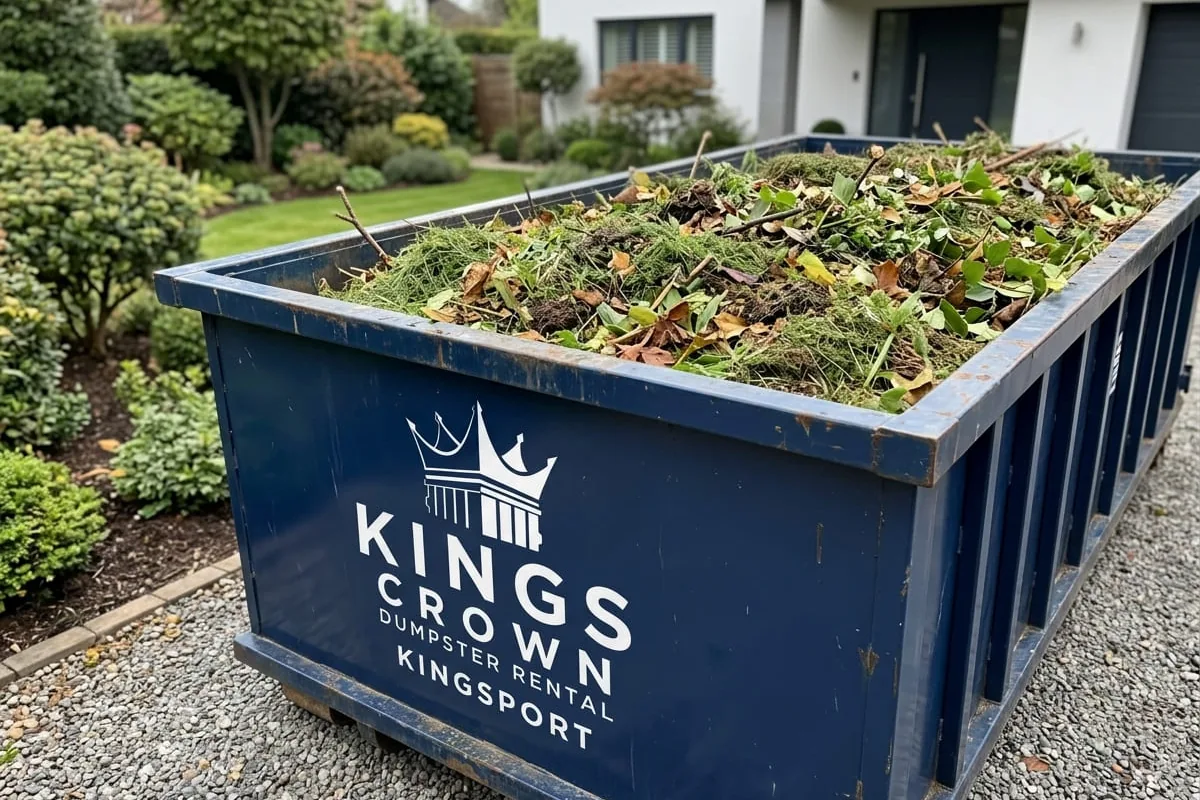
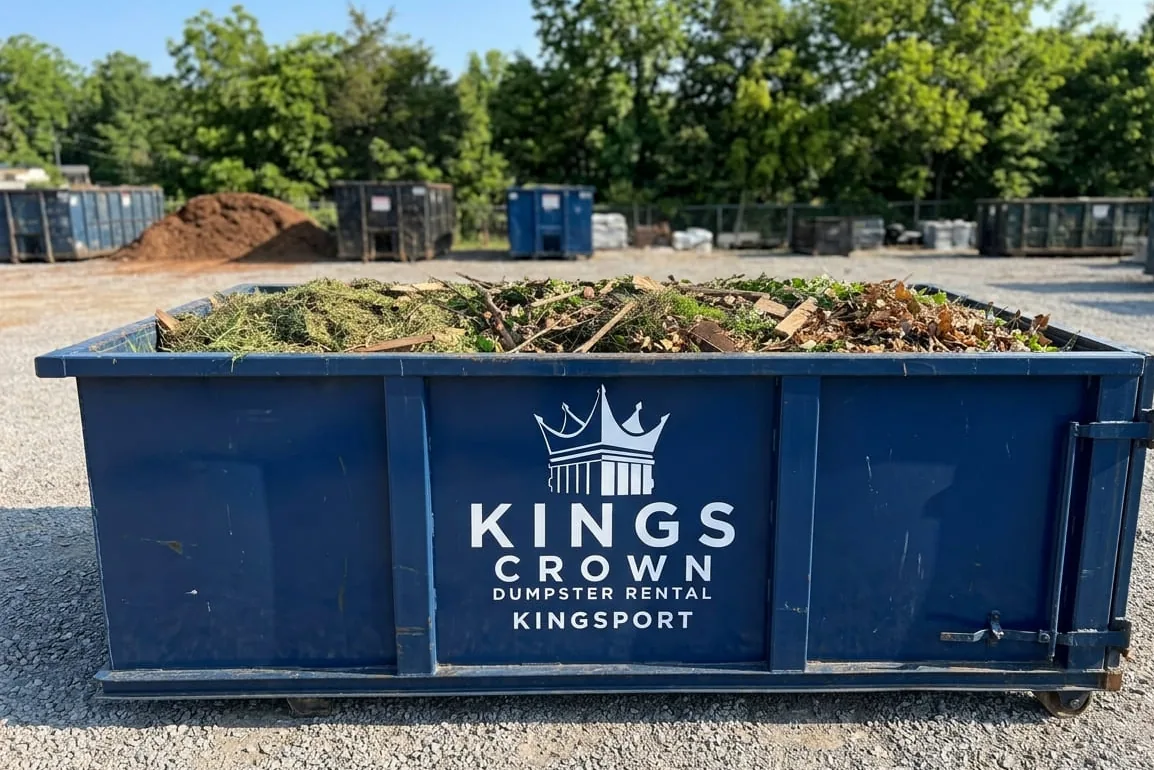
Tennessee has no statewide ban on landfilling yard waste of the kind some northern states have. The state's classification system provides dedicated Class III facilities for landscaping and land-clearing debris, the normal destination for brush. After an ice storm or a summer blow-down in the Tri-Cities, a dedicated brush load is cheaper and cleaner than mixing limbs into general debris, which is why we run a separate yard waste service. Confirm with your county, since local programs vary.
Tennessee's landfill classes and why they matter to your load
Tennessee permits disposal facilities in classes, and the class determines what a site can legally accept. Class I takes non-hazardous municipal solid waste: household, commercial, and approved special wastes. Class II takes non-hazardous industrial waste, commercial waste, and fill. Class III takes Class IV waste plus landscaping, land-clearing, and farming waste. Class IV takes construction and demolition debris and shredded tires.
The consequence: a clean single-material load has more places it can go and usually costs less, while a mixed load must be routed to a facility permitted for the most restrictive thing in it. That is the logic behind sorting, and why we ask what is in the pile before dropping a can.
Allowed — but it needs its own container
Nothing here is prohibited; the problem is density. A 20-yard can filled with roofing tear-off or broken concrete exceeds what a truck can legally carry on Tennessee roads long before it looks full, so these materials go in a smaller dedicated container with a weight-based rate.
These are not banned, and flagging them costs thirty seconds on the phone; not flagging them can cost a rescheduled pickup. Mention railroad ties and treated timbers, CRT televisions, appliances, vehicle parts, anything from a garage that might hide fluids, and material from a building you suspect predates 1980. If you are clearing a relative's house and do not know what is in the garage, say so — our estate cleanout checklist walks an unfamiliar house room by room.
Two things can go wrong. A surcharge happens when the load is acceptable but something in it costs more to handle: tires pulled off at the scale, a CRT television, weight over the allowance. It appears as a line item and the load still goes away.
A rejection is worse. If a prohibited item is spotted at the facility, the whole load can be turned back: the container returns to your property, you pull the item, and we haul again — two trips billed instead of one. A hazardous item discovered after tipping can make the generator responsible for cleanup costs.
Avoiding both is simple: stage prohibited items nowhere near the container so a helper who does not know the rules cannot toss them in, and call us on (423) 830-4153 the moment you find something you are unsure about.
Ten minutes of staging beats an hour of unloading a full can. Before the container arrives, walk the site with three piles in mind.
Get those three piles right and the rest is easy. If you are unsure where something belongs, ask before it goes in the can — always the cheaper phone call.